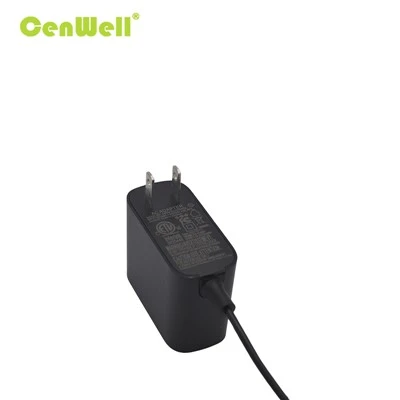
The technical points of waterproof power supply mainly include the following aspects:
Waterproof performance: Waterproof power supply is designed for outdoor environment, so it must have good waterproof performance. Usually a sealed design is adopted to ensure that the inside of the power supply is not intruded by water and the electronic components inside the power supply are protected from moisture.
Dustproof performance: Waterproof power supply also needs to have dustproof function to prevent dust accumulation and affect the heat dissipation and normal operation of the power supply. Dustproof design can effectively extend the service life of the power supply.
High temperature resistance: Waterproof power supply needs to work stably in high temperature environment, usually with a high operating temperature range and good heat dissipation design. This ensures that the power supply can still work normally in high temperature environment and will not be damaged by overheating.
Anti-corrosion performance: Since there may be corrosive substances in the outdoor environment, waterproof power supply needs to have anti-corrosion performance to protect the metal parts of the power supply from corrosion and extend the service life.
High reliability: Waterproof power supply is usually used in critical applications such as outdoor lighting systems, so high reliability is required. This includes stable output voltage and current, as well as long-term stable operation in harsh environments.
High efficiency: The waterproof power supply has high efficiency, low power consumption, and can maintain low heat generation in high temperature environments, which helps to delay equipment aging and improve the efficiency of the overall system.
High power factor: For some applications, the waterproof power supply needs to have a high power factor to reduce pollution to the power grid and meet specific power grid requirements.
Drive mode: Common drive modes include constant voltage source for multiple constant current sources and direct constant current power supply. The former has high flexibility but high cost, while the latter has low cost but poor flexibility.